On this page
The honest definition
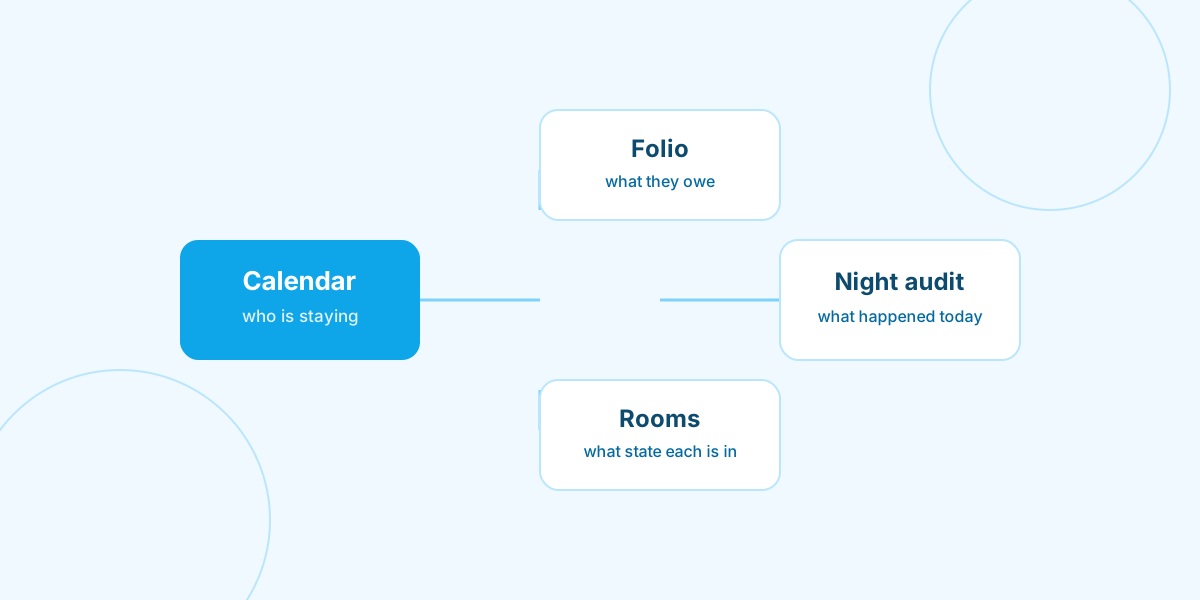
A property management system is the record of truth for a lodging operation. It answers four questions continuously: who is staying (reservations), what do they owe (folios), what state is each room in (housekeeping), and what happened today (the audit). Everything else — channel managers, booking engines, POS, reporting — is a door into or out of those four answers.
The reservation calendar
Every booking from every source lands here. The calendar's one job is to make availability a single number: if the OTA, your website and the phone all read the same calendar, the room cannot be sold twice. This is why a PMS with a built-in channel manager is structurally safer than two products glued together — there is no seam for a stale count to hide in.
The folio
Each stay carries a folio — the running account of everything the guest owes and has paid. Room nights, taxes, the restaurant dinner, the minibar: they post to the folio as they happen, and the invoice at checkout is generated from it. When billing goes wrong at a property, it is almost always because charges lived somewhere other than the folio.
Housekeeping status
A room is not sellable because it is empty; it is sellable because it is clean and inspected. The status board is the contract between housekeeping and the desk — and when it lives in the same system as the calendar, "is 204 ready?" is a glance, not a radio call.
The night audit
Once a day, the operation closes its books: room and tax charges post for every in-house stay, cash sessions reconcile, and the business date rolls forward. The audit is what makes yesterday's numbers final — without it, reports are opinions.
What to look for when choosing
Ask one question of any PMS: do the four parts share one database? If the channel manager, the booking engine or the POS is a separate product with a sync, every seam is a place for two versions of the truth to diverge. The demo will not show you the seams; the overbooked Saturday will.